Digital Lab Artist-in Residences (DigiLabAiR) is performance-based video art project realised by PAV in partnership with five European no-profit cultural associations with territorial solid knowledge of performance art and Live art and anchoring in participatory co-creation processes.
Co-founded by the European Union, the project consist of five Digital Artist-in Residences hosting three artist and one curator each, who have been invited to produce three video works thematising social issues framed in the Social Development Goals agenda (SDGs).
Each residence has been conceived as a place of thought, research, and experimentation for ideas to grow and develop in ways the invited artists feel need.

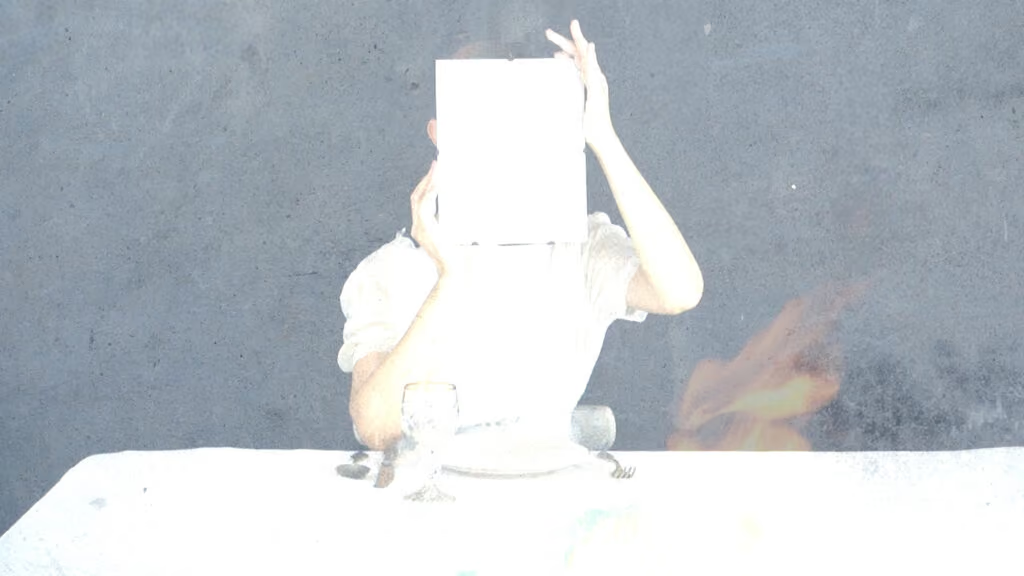
It has been 112 years since one single building in Tbilisi has stood as a silent witness to the passage of time, hosting countless generations, families, and lives. Facing all wars, national catastrophes, economical disasters and other troubles throughout all of its life, now it is the time for it to bid farewell to the 19 families who have called it home, as it prepares to be consigned to history forever.
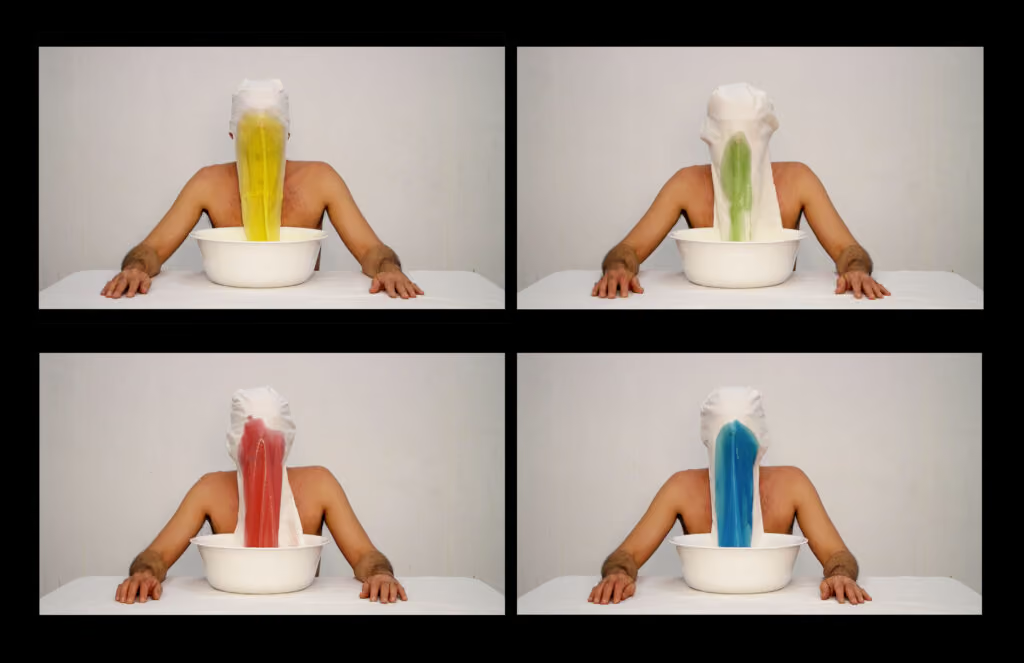
The core themes of this performance for the camera are the problem of moral principles and the relationship of the body to citizenship from the perspective of Stoic philosophy. Stoicism (a school of Hellenistic philosophy that flourished in Ancient Greece) focuses on human nature as part of universal nature and cosmic sympathy: the sense that the universe is an indivisible living organism, always in flux.
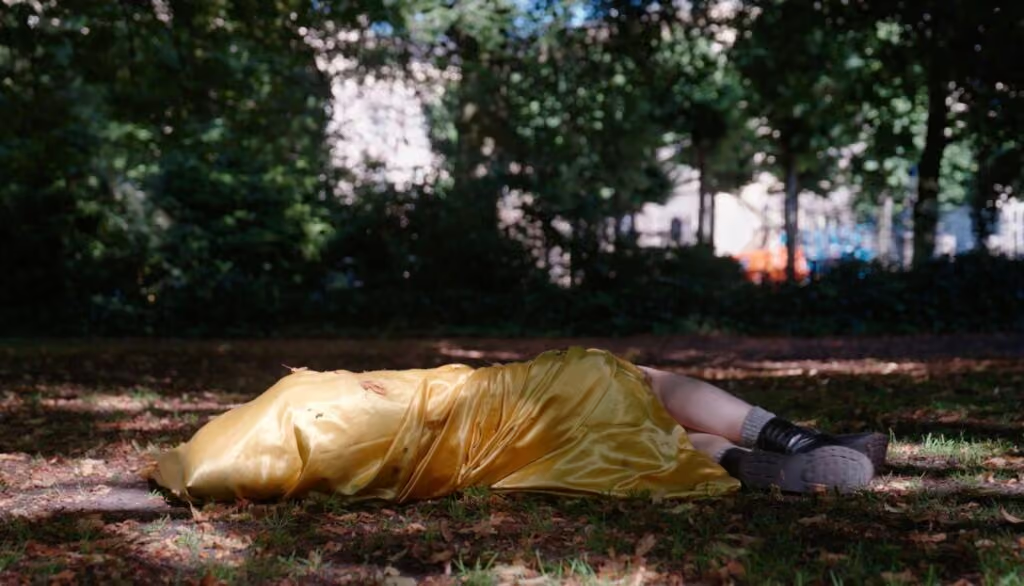
When you are housebound, you become mainly invisible to the world. Unable to participate in the daily activities that happen outside the door of your home, it is easy to start feeling like you don’t exist. In The Struggle for Visibility, the artist attempts to become part of the outside world.
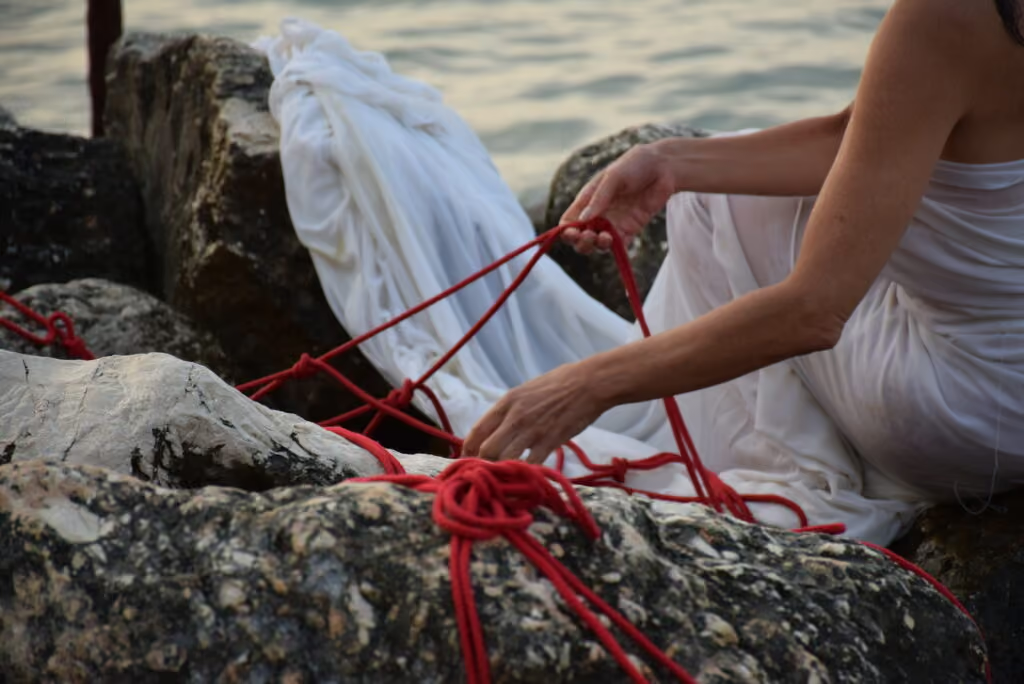
For centuries, the Mediterranean Sea has occupied a central place in the evolution of human society and Europe. It is both a physical barrier to human mobility and an element that connects land and continents. Odysseus pursued his hero’s journey around the Mediterranean basin. Today, the Mare Nostrum is a precarious, tragic space where immigrants, attracted by the siren’s song of salvation and sanctuary in Europe, embark on a perilous journey that could lead them to exclusion or inclusion.
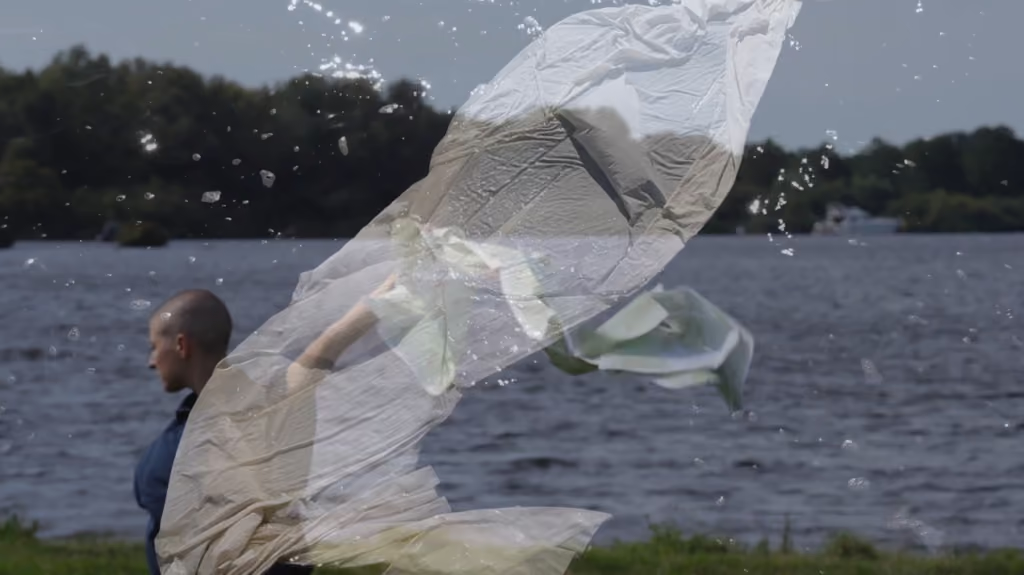
The disappearing home, flooded by the rising sea levels. The tidal feeling of solastalgia, the homesickness when you are still at home, but you know it’s under threat and will one day be taken by the water. Areas created and protected by human efforts from encroaching waters are not just a home for people but also for a diverse ecosystem.
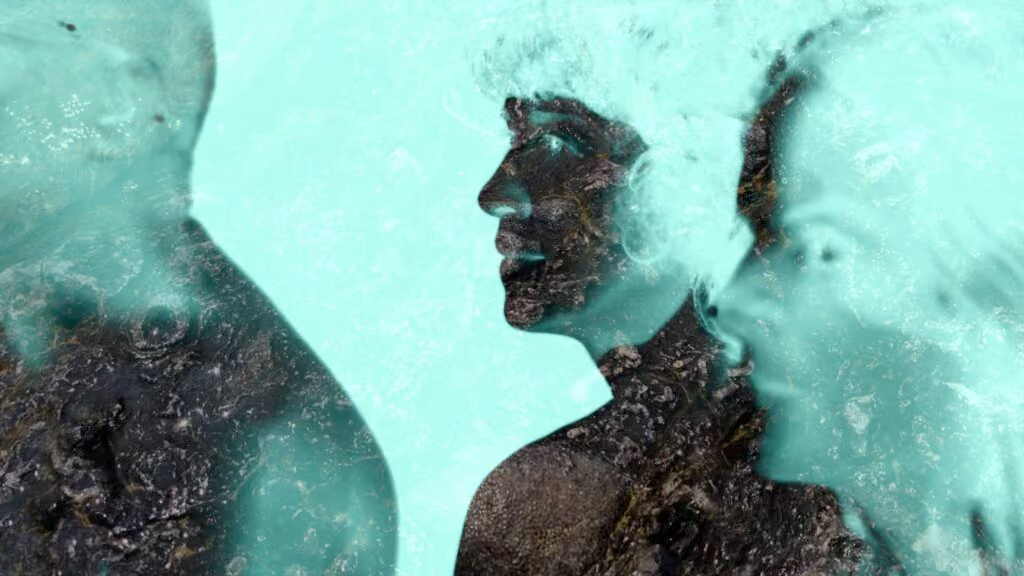
Becoming Fossil invites viewers to become time travelers through kaleidoscopic sensations of touch and elemental change. Join in and travel backward and forward in time around our small precious planet. Ride the waves of climate emergencies and experience both extinction and resiliency in human and more-than-human touches.</span>
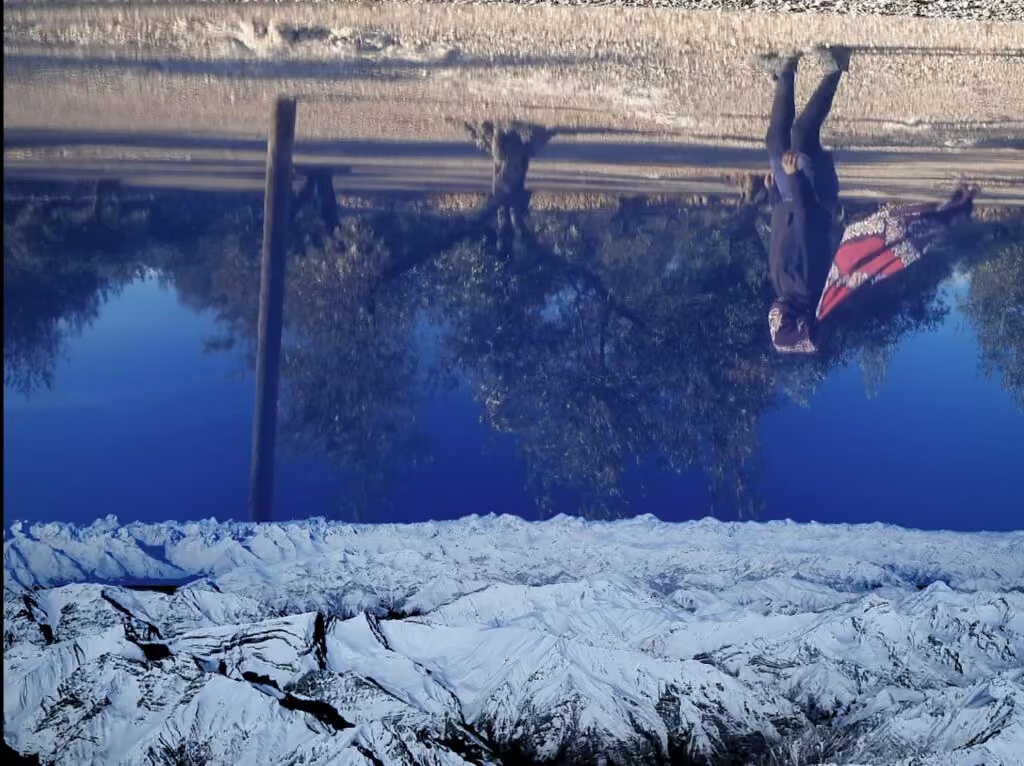
The last walk to a melting glacier and the rituals of walking the moist ground it reveals by leaving. Things to carry with oneself on wounded paths and singing to the ancient frozen imprints disappearing into the memory of algal blooms sprouting in the warm seas. A journey on foot, connecting homes across the nomadic landscapes of borrowed belonging. A body alive, in the haunts of breaking ice. </span>